
Avoid Electrical Fires with Timely Breaker and Panel Replacements
December 25, 2025
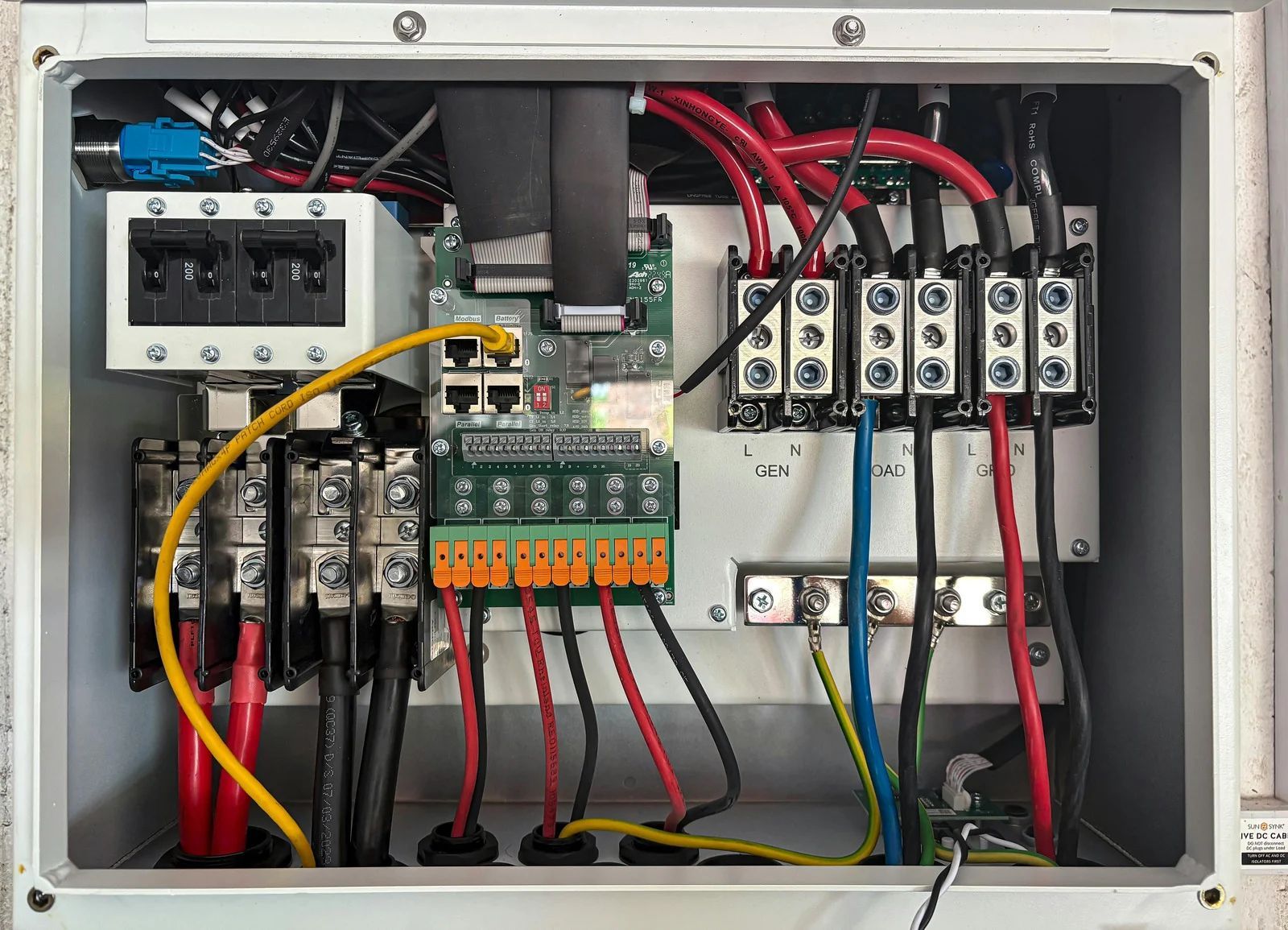
Electrical fires pose one of the most significant hazards in residential and commercial properties, yet they are often preventable with proper maintenance and timely upgrades. Faulty wiring, outdated breakers, and aging electrical panels are common contributors to these dangerous incidents. While many homeowners and business operators focus on superficial safety measures like smoke detectors, the core of electrical safety begins at the breaker panel. Understanding when and why to replace breakers and panels is crucial to reducing fire risks, preventing costly property damage, and protecting lives. Proactive inspection and maintenance routines, combined with professional guidance, can dramatically improve electrical safety and provide peace of mind for property owners, ensuring long-term protection.
Modern electrical demands have increased dramatically, driven by a surge in electronic devices, energy-efficient appliances, and home automation systems. Older electrical panels, often designed for lower loads, can struggle to manage these modern requirements, leading to overheating, short circuits, and potential fire hazards. Recognizing warning signs and proactively replacing outdated components not only enhances safety but also ensures compliance with electrical codes and improves overall system reliability. In this blog, we explore the critical importance of breaker and panel maintenance, common risk factors, practical replacement strategies, and best practices to safeguard homes and businesses from electrical fires. Additionally, understanding these factors helps property owners make informed decisions and prioritize electrical investments that protect both people and valuable assets over time.
1. Understanding Electrical Panels and Breakers
What Are Electrical Panels?
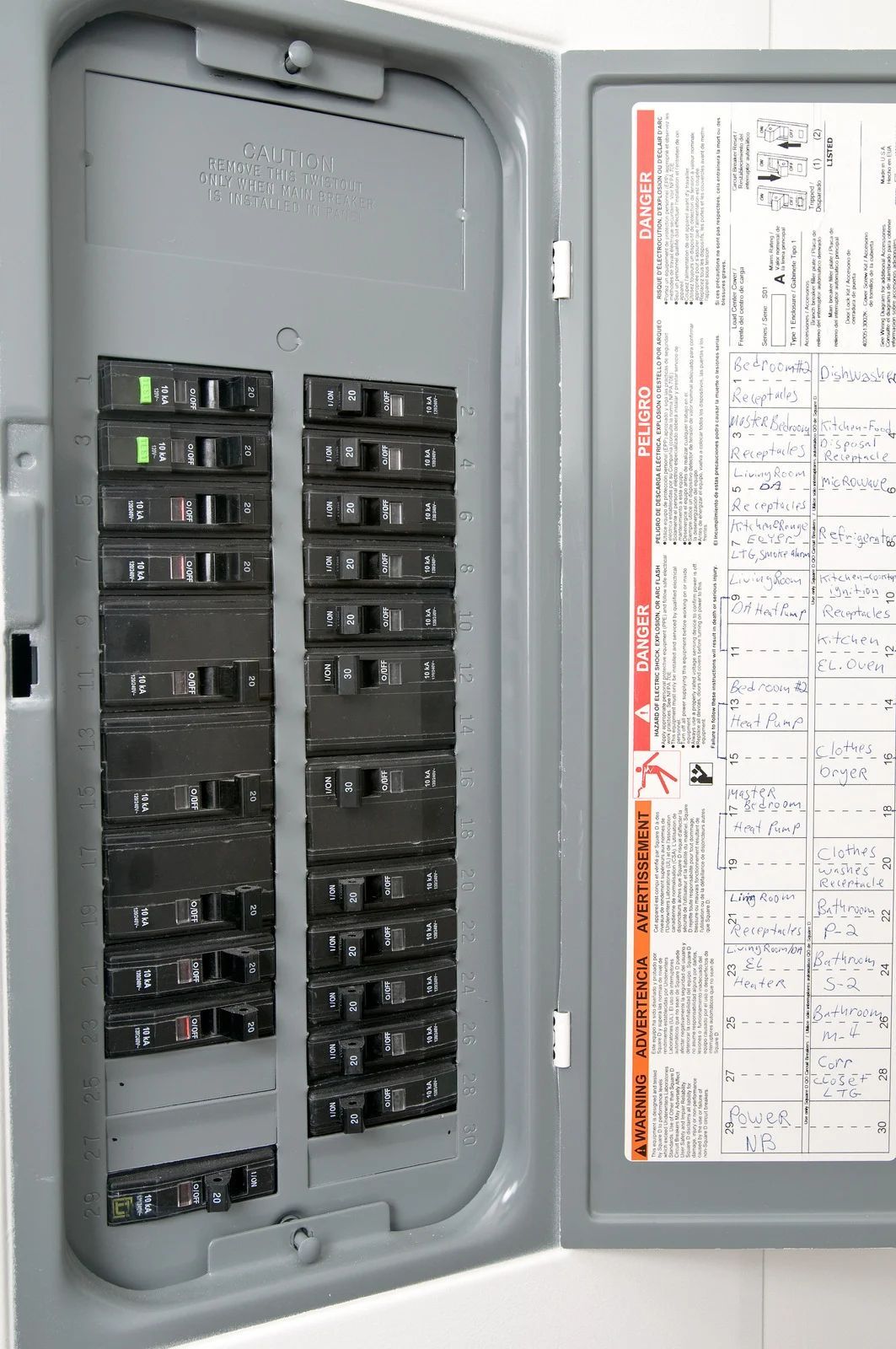
Electrical panels, also called breaker panels or load centers, serve as the central hub of a building’s electrical system. They distribute power from the utility company to circuits throughout the property while protecting wiring and devices from overloads. A well-functioning panel ensures that electricity flows safely and efficiently to all connected appliances, lighting, and electronics.
What Are Electrical Panels?
Electrical panels, also called breaker panels or load centers, serve as the central hub of a building’s electrical system. They distribute power from the utility company to circuits throughout the property while protecting wiring and devices from overloads. A well-functioning panel ensures that electricity flows safely and efficiently to all connected appliances, lighting, and electronics.
What Are Electrical Panels?
Electrical panels, also called breaker panels or load centers, serve as the central hub of a building’s electrical system. They distribute power from the utility company to circuits throughout the property while protecting wiring and devices from overloads. A well-functioning panel ensures that electricity flows safely and efficiently to all connected appliances, lighting, and electronics.
The Role of Circuit Breakers
Circuit breakers are safety devices within the panel designed to interrupt the flow of electricity in the event of an overload or short circuit. When functioning correctly, breakers prevent excessive heat buildup, arcing, and other conditions that can ignite fires. Breakers can be single-pole or double-pole, handling various voltage requirements depending on the circuit.
Signs of Aging Panels and Breakers
Electrical panels and breakers have a limited lifespan, often between 20 and 40 years depending on usage and quality. Signs that replacement is needed include frequent tripping, unusual noises, flickering lights, and scorch marks near outlets or the panel. Recognizing these indicators early can prevent catastrophic electrical failures.
Example Scenario: A homeowner notices that their breaker trips whenever they run multiple appliances simultaneously. Rather than ignoring it, a professional inspection reveals that the panel’s wiring is outdated and unable to handle the modern load, highlighting the urgent need for replacement before a potential fire incident.
2. Common Causes of Electrical Fires
Overloaded Circuits
One of the primary causes of electrical fires is overloaded circuits. When a circuit carries more current than it is designed to handle, the wiring can overheat, leading to insulation melting and sparks. Overloads are particularly common in older homes with insufficient wiring capacity.
Best Practice: Avoid running multiple high-power appliances on a single circuit and consult a licensed electrician if your panel cannot support current household demands.
Outdated or Faulty Breakers
Older breakers, especially those from defunct manufacturers or with known safety issues, may fail to trip when necessary. This failure allows excessive current to flow through the system, dramatically increasing the risk of fire.
Expert Insight: Federal safety recalls, such as those involving Federal Pacific or Zinsco panels, underscore the dangers of retaining outdated components. Timely replacement with modern, reliable breakers is essential for safety compliance.
Poor Maintenance and Neglected Inspections
Neglecting regular panel inspections can allow minor issues, like loose connections or corrosion, to escalate into major hazards. Dust and moisture accumulation within panels can also contribute to electrical fires over time.
Real-World Example: A commercial property experienced a small fire due to a corroded connection inside an unmaintained breaker panel. Regular inspections could have detected the problem early, preventing property damage and operational downtime.
3. The Importance of Timely Breaker Replacements
Enhancing Electrical System Safety
Replacing aging or faulty breakers ensures that electrical circuits are properly protected against overloads and short circuits. Modern breakers are engineered to react more reliably and respond faster to abnormal conditions, reducing fire risks.
Adapting to Increased Electrical Demand
Homes and businesses today often use more electrical devices than a decade ago. Replacing breakers allows the system to safely accommodate higher current loads, preventing frequent trips or overheating.
Actionable Tip: Conduct a load analysis before replacing breakers. This analysis identifies circuits that require upgrades or redistribution, helping optimize panel safety and performance.
Compliance with Electrical Codes
Outdated breakers may not meet current electrical codes, leaving property owners liable for safety violations. Timely replacements ensure compliance and may be required for insurance purposes, especially during property sales or renovations.
Example Scenario: A homeowner replacing their old knob-and-tube wiring panel discovered that their existing breakers were incompatible with modern code standards. Upgrading to new breakers ensured safety, compliance, and smoother insurance approvals.
4. When to Replace Your Electrical Panel
Age as a Key Factor
Electrical panels typically last 20–40 years, depending on quality and usage. Panels older than this range are prone to wear, corrosion, and outdated designs incapable of supporting modern electrical loads.
Signs Indicating Replacement Is Needed
- Frequent breaker trips without clear cause
- Buzzing, humming, or arcing noises from the panel
- Burn marks or discoloration on the panel or outlets
- Rust or moisture accumulation inside the panel
- Fuses blowing repeatedly in older systems
Expert Reasoning: Even if your panel is still operational, these warning signs indicate deteriorating safety performance. Replacing the panel before failure ensures uninterrupted power and fire prevention.
Benefits of Upgrading Panels
Upgrading your electrical panel offers multiple advantages:
- Increased circuit capacity to handle more appliances
- Enhanced safety with modern breakers
- Improved home resale value
- Compliance with updated electrical codes
Real-World Example: A family upgrading to a modern panel found that they could safely install high-demand appliances like air conditioners and electric vehicle chargers without tripping breakers or risking fires.
5. Best Practices for Breaker and Panel Maintenance
Schedule Regular Inspections
Routine inspections by licensed electricians can detect wear, loose connections, corrosion, or overheating before they escalate into fire hazards. Inspections should ideally be conducted every 3–5 years, or sooner for older panels.
Avoid DIY Electrical Work
While simple outlet replacements are often manageable, panel and breaker work is high-risk. Incorrect installation or wiring errors can create severe fire hazards. Always hire a licensed professional.
Keep the Panel Area Clear
Electrical panels should be accessible and free from clutter. Combustible materials stored near panels increase fire risks. Maintaining clear access ensures that electricians can safely inspect and service the panel.
Upgrade Components in Phases
For larger properties or complex electrical systems, consider phased upgrades. Start with high-risk circuits or outdated breakers, then progressively upgrade the panel. This approach spreads costs and minimizes disruption while improving safety incrementally.
Actionable Tip: Document each upgrade and maintain records. This provides a reference for future inspections, insurance claims, and resale value.
6. Real-World Scenarios and Lessons Learned
- Residential Example:- A homeowner living in a 1970s house noticed their kitchen lights flickered when using multiple appliances. An inspection revealed an outdated panel with undersized breakers. Replacing the panel and breakers not only stopped the flickering but also prevented a potential electrical fire that could have started from overloaded circuits.
- Commercial Example:- A small retail store experienced frequent power surges that tripped breakers, disrupting business operations. Investigation revealed corroded connections and a panel that exceeded its service lifespan. After installing a modern panel and breakers, electrical reliability improved, business operations stabilized, and fire risk was significantly reduced.
- Insurance and Liability Considerations:- Insurance providers often require electrical systems to be up-to-date for coverage eligibility. Ignoring necessary upgrades can result in denied claims in case of electrical fires. Proactive maintenance and timely replacements protect both property and financial interests.
Ensuring Electrical Safety Through Panel Replacements Regularly
Electrical fires are a severe threat that can be mitigated with timely breaker and panel replacements. Understanding the role of panels and breakers, recognizing warning signs, and adhering to best practices are critical steps in safeguarding homes and businesses. Overloaded circuits, outdated breakers, and neglected maintenance are leading causes of electrical fires, but proactive upgrades significantly reduce these risks. Regular inspections, proper load management, and professional installation practices ensure that electrical systems operate safely and efficiently, preventing costly damage and protecting lives.
Next Electric, LLC, based in Siloam Springs, Arkansas, has over seven years of experience providing comprehensive electrical solutions. Our team specializes in breaker and panel replacements, ensuring that your property’s electrical system meets the highest safety standards. We combine expert knowledge, modern technology, and a commitment to excellence to deliver reliable, code-compliant services for both residential and commercial clients. Trust Next Electric, LLC, to safeguard your property from electrical hazards while improving overall system performance. Our proven track record demonstrates professionalism, precision, and a dedication to keeping your home or business safe.