
Installing a Ceiling Fan? Don’t Forget These Wiring Essentials
February 18, 2026

Installing a ceiling fan is one of the most effective ways to enhance both comfort and energy efficiency in your home. Beyond simply circulating air, a ceiling fan can reduce reliance on air conditioning, improve indoor air quality, and even add a stylish design element to a room. Additionally, modern fans come with energy-efficient motors and customizable features that further optimize comfort while lowering electricity bills. However, while selecting the right fan style, size, and placement is important, the success of the installation largely depends on proper wiring. Electrical wiring is not only the backbone of your fan’s functionality but also a critical safety consideration. Ignoring wiring essentials can result in malfunctioning fans, short circuits, or even fire hazards, potentially causing costly damage or injury.
Whether you are a seasoned DIY enthusiast or a homeowner attempting a first-time installation, understanding ceiling fan wiring is vital. Proper preparation, knowledge of electrical components, and adherence to safety protocols ensure that your fan operates efficiently and reliably. This guide walks you through the key wiring essentials, providing actionable insights, expert tips, and best practices to make your ceiling fan installation safe, functional, and long-lasting. By equipping yourself with these essentials, you can avoid common pitfalls, save time, and prevent frustration during installation. Following these steps also ensures that your ceiling fan delivers consistent performance and maximum energy efficiency for years to come
1. Understanding the Electrical Basics
Knowing Your Circuit
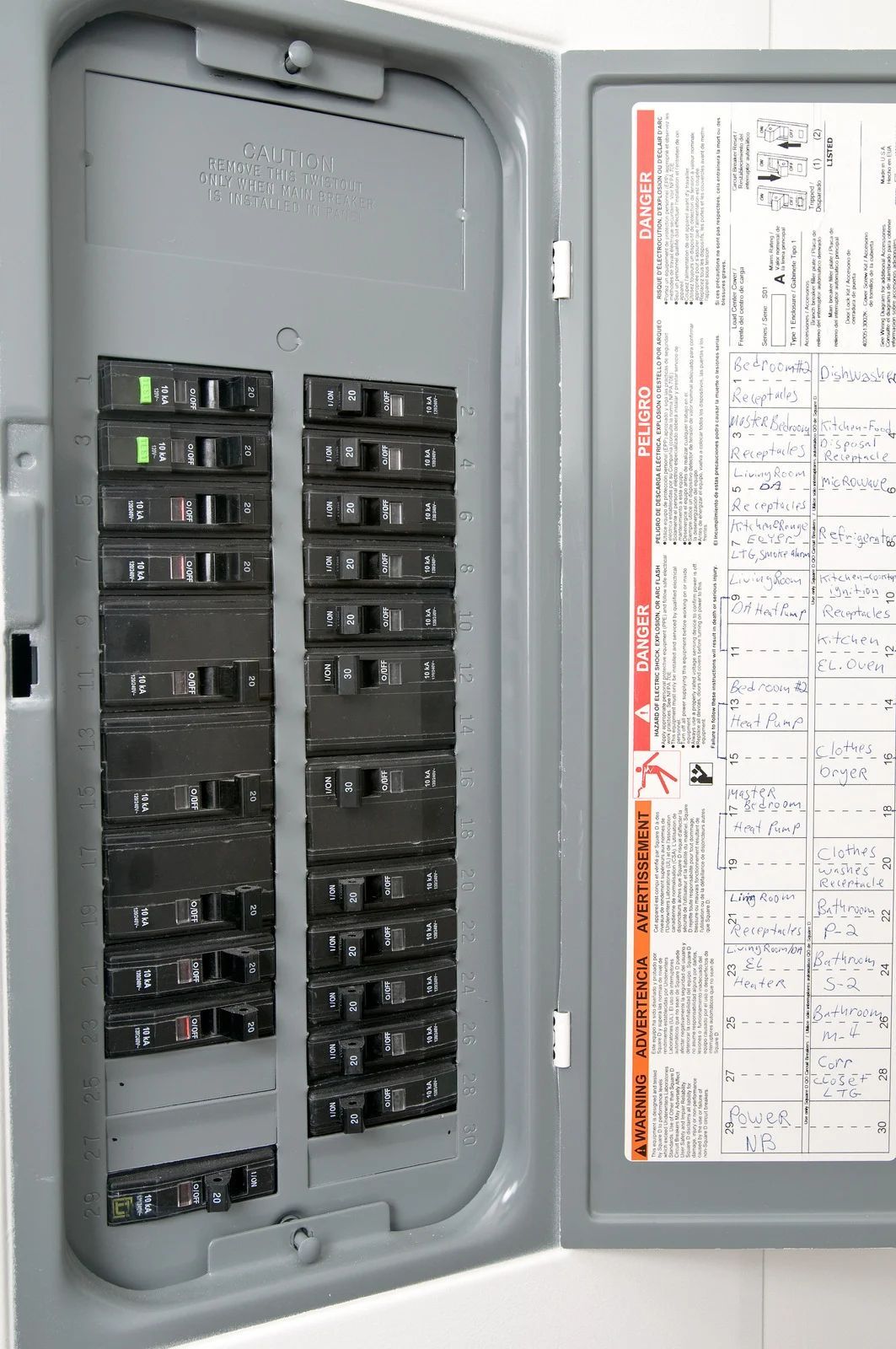
Before installing a ceiling fan, it’s essential to understand the electrical circuit it will connect to. Ceiling fans typically require a dedicated 15-amp circuit to handle the motor’s power draw, especially if the fan includes integrated lighting. Identify the circuit breaker that controls the room where the fan will be installed. Turn off the breaker to ensure safety before touching any wiring. Using a voltage tester to confirm the power is off adds an extra layer of security.
Recognizing Wire Types
Different wire types serve specific purposes in ceiling fan wiring. The three primary wires are:
- Hot Wire (Black or Red): Carries electricity from the breaker to the fan.
- Neutral Wire (White): Completes the electrical circuit.
- Ground Wire (Green or Bare Copper): Provides safety by redirecting electricity in case of a short circuit.
-
Some modern fans also include a blue wire for integrated lighting. Proper identification ensures each connection is secure and prevents potential hazards.
Tools and Equipment
Having the right tools is just as critical as knowing the wiring. Essential tools include wire strippers, pliers, screwdrivers, voltage testers, and wire nuts. Additionally, a ladder, electrical tape, and a ceiling fan-rated junction box are necessary. Using tools specifically designed for electrical work reduces installation errors and increases safety.
2. Selecting the Right Ceiling Fan Junction Box
Importance of a Rated Box
Not all ceiling boxes can support the weight and motion of a ceiling fan. A standard electrical box meant for light fixtures is insufficient. Ceiling fan-rated boxes are designed to handle the rotational torque and weight, preventing sagging or detachment. Choose a box that matches your ceiling type, whether it’s drywall, plaster, or a suspended ceiling.
Installation Considerations
Install the box directly into a ceiling joist or use a support brace if joists are not conveniently located. The box should be flush with the ceiling surface and capable of sustaining at least 50 pounds. Incorrect installation can compromise both the fan’s performance and safety.
Real-World Scenario
Consider a homeowner attempting to attach a fan to a non-rated box secured only by screws in drywall. After a few weeks, the fan begins to wobble and eventually detaches, causing damage and potential injury. Using a proper ceiling fan-rated box eliminates such risks and ensures long-term stability.
3. Wiring the Fan Correctly
Step-by-Step Wiring Process
Proper wiring ensures your ceiling fan functions safely and efficiently. Follow these steps:
- Turn Off the Power: Confirm the breaker is off with a voltage tester.
- Connect the Ground Wire: Attach the fan’s ground wire to the house grounding wire using a wire nut.
- Join the Neutral Wires: Connect the fan’s neutral wire to the household neutral wire.
- Connect the Hot Wire: Match the fan’s black or red wire to the hot wire from the ceiling.
- Integrate Light Kit (if applicable): If the fan includes a light kit, connect the blue wire to the hot line controlling the lights.
- Secure Connections: Use wire nuts and electrical tape to prevent loose connections.
Managing Multiple Switches
In some rooms, you may want independent control of the fan and light kit. This setup requires either a dual switch or a remote control module. When using a dual switch, the ceiling box must include separate wires for the fan and light. Failing to differentiate wires can result in simultaneous operation or non-functional components.
Troubleshooting Common Issues
Improper wiring can cause several problems, such as the fan running in reverse, flickering lights, or tripped breakers. These are often caused by misconnected hot and neutral wires or loose connections. Correctly identifying wires and securing each connection prevents these issues and maintains optimal performance.
4. Ensuring Proper Fan Balancing and Support
Balancing Techniques
Even with correct wiring, an unbalanced fan can wobble, generate noise, and stress the motor over time. Many modern fans come with balancing kits that include small weights and clips for precise adjustments. Attach these weights to the blades incrementally until wobble is completely eliminated, checking each blade carefully to ensure smooth rotation.
Supporting the Fan Mechanically
Use a properly installed mounting bracket specifically designed for ceiling fans. The bracket should be firmly secured to the ceiling box or joist to prevent any movement. Avoid attaching the fan to drywall alone, as this cannot support rotational forces or the weight of the fan, which may lead to long-term instability and potential damage.
Safety Reminder
A stable, balanced fan reduces wear on electrical components and minimizes the risk of disconnection or serious damage. Correct installation ensures consistent airflow, extends the fan’s operational lifespan, and provides reliable performance for years of daily use without unexpected issues.
5. Safety Protocols and Code Compliance
National Electrical Code (NEC) Guidelines
Adhering to the NEC ensures that your ceiling fan installation meets all modern safety standards. Ceiling fans require properly grounded, correctly rated wires, and secure mechanical mounting. Overloading circuits or bypassing grounding requirements is both unsafe and strictly against electrical code, potentially causing damage or hazards in the home.
Using GFCI and AFCI Protection
While ceiling fans typically do not require GFCI outlets, rooms prone to moisture, such as bathrooms or kitchens, may benefit from additional GFCI protection. Arc-Fault Circuit Interrupters (AFCI) provide another layer of safety in living areas by detecting arc faults that could otherwise result in electrical fires and property damage.
Professional Assessment
If unsure about wiring or installation steps, consulting a licensed electrician ensures full compliance and household safety. Attempting an installation without adequate knowledge can result in costly mistakes, damage, or serious safety hazards. Proper planning, use of correct tools, and adherence to electrical codes protect your home, family, and investment.
6. Maintenance and Long-Term Tips
- Regular Inspection:- Check all electrical connections periodically for looseness, wear, or corrosion. Electrical contacts can degrade over time, directly affecting fan operation and safety. Inspect mounting brackets, blade alignment, and all screws to prevent wobble, detachment, or other mechanical issues that can compromise performance and reliability.
- Cleaning and Lubrication:- Dust and debris buildup affects fan performance, motor efficiency, and energy consumption. Clean blades regularly and, if the motor allows, apply manufacturer-recommended lubrication to keep the fan running smoothly. Maintaining cleanliness also reduces stress on wiring and prolongs the fan’s overall lifespan.
- Upgrades and Modern Enhancements:- Consider installing remote controls, smart fan modules, or programmable settings for improved convenience and modern functionality. These devices often require additional wiring or adapters, making pre-planned electrical pathways critical during the initial installation process for seamless integration with your system.
- Benefits of Proper Wiring:- Properly wired and regularly maintained fans ensure energy efficiency, consistent airflow, and enhanced household safety. The upfront investment in correct installation and routine upkeep reduces long-term maintenance costs, prevents electrical hazards, and provides a comfortable living environment for years to come.
Expert Guidance for Long-Lasting Ceiling Fan Installations
Installing a ceiling fan requires more than simply attaching blades to a motor. From understanding electrical circuits to selecting a proper fan-rated box, connecting wires accurately, and ensuring mechanical stability, every step is crucial. Proper wiring not only guarantees functionality but also protects your home and family from potential hazards. Balancing, safety compliance, and ongoing maintenance further extend the fan’s lifespan while improving performance and comfort.
For homeowners and property managers, partnering with professionals who understand these essentials ensures a seamless installation process. At Next Electric, LLC, located in Siloam Springs, Arkansas, we bring over 7 years of experience in residential and commercial electrical services. Our team specializes in ceiling fan installation, wiring, and maintenance, combining technical expertise with a commitment to safety and reliability. We guide clients through every step, from initial planning to post-installation checks, ensuring optimal performance and peace of mind. Trust Next Electric, LLC for expert, professional electrical solutions that prioritize quality and safety.