
Why Is Breaker Replacement Important for Safety?
January 16, 2026
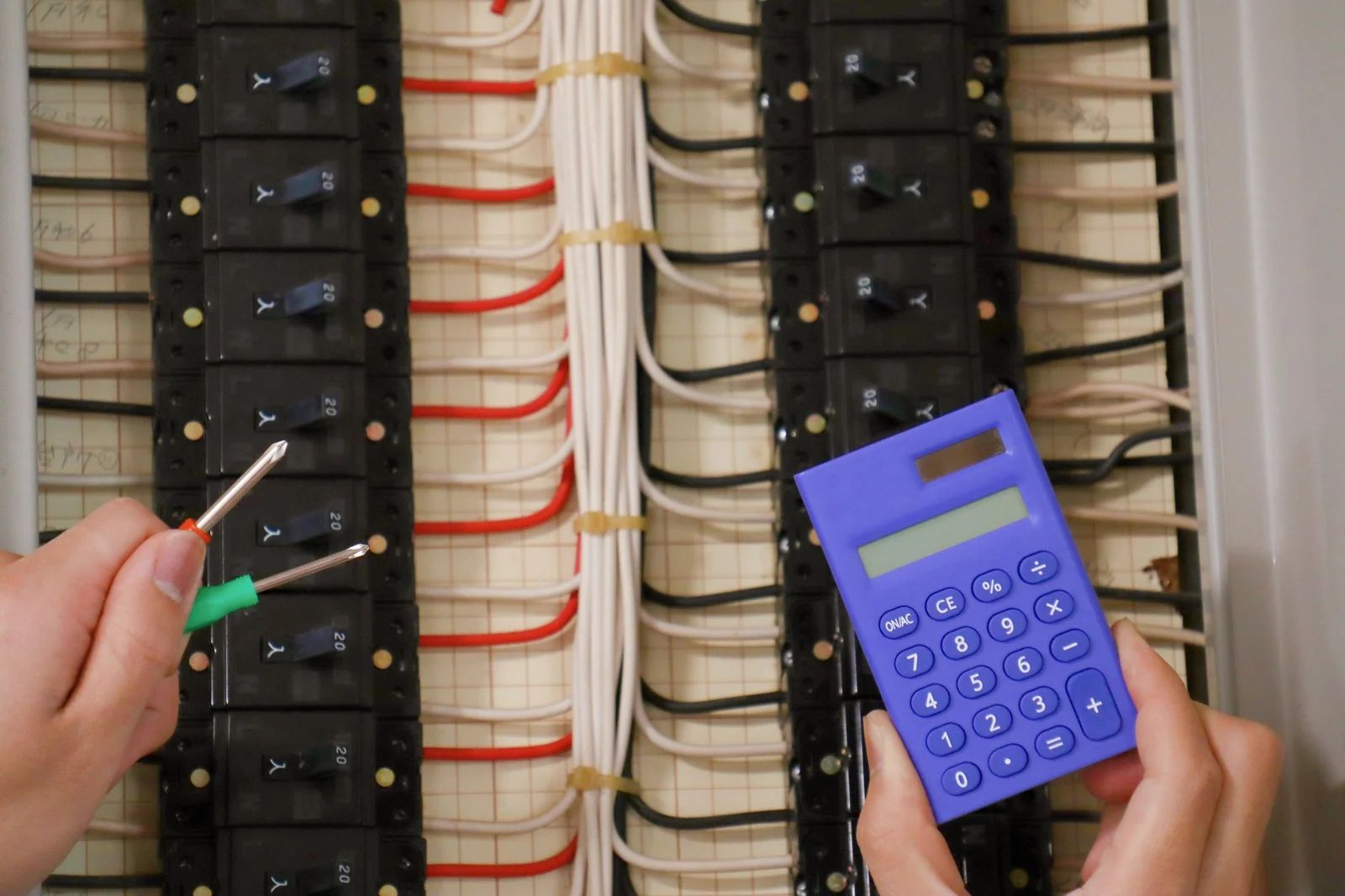
Electrical systems are the backbone of modern homes and businesses, powering everything from lighting and appliances to critical devices and machinery. Despite their importance, many property owners overlook a crucial aspect of electrical safety: the condition of circuit breakers. These devices act as the first line of defense against electrical overloads, short circuits, and potential fire hazards. Over time, breakers can wear out, malfunction, or fail to provide adequate protection, leaving occupants and property vulnerable. Regular maintenance, inspection, and timely replacement of these breakers are essential steps that ensure uninterrupted power supply, reduce repair costs, and extend the lifespan of an entire electrical system. Proactive attention prevents avoidable emergencies and enhances overall safety. Understanding the importance of timely breaker replacement is essential for maintaining a safe and reliable electrical system.
A failing or outdated breaker may seem harmless until it fails at a critical moment, potentially resulting in costly damage or serious injury. Electrical fires, one of the most common causes of residential and commercial property damage, are often linked to malfunctioning breakers and panels. By proactively monitoring and replacing breakers when necessary, homeowners and businesses can significantly reduce these risks. Investing in professional inspections and replacements also ensures compliance with modern electrical codes, protects sensitive electronics, and maintains operational efficiency. Understanding the warning signs of failing breakers helps prevent dangerous incidents and gives property owners peace of mind. This blog explores why breaker replacement is vital for safety, highlighting real-world scenarios, industry insights, and best practices to ensure your electrical system remains secure and efficient.
Understanding Circuit Breakers and Their Role
What Is a Circuit Breaker?
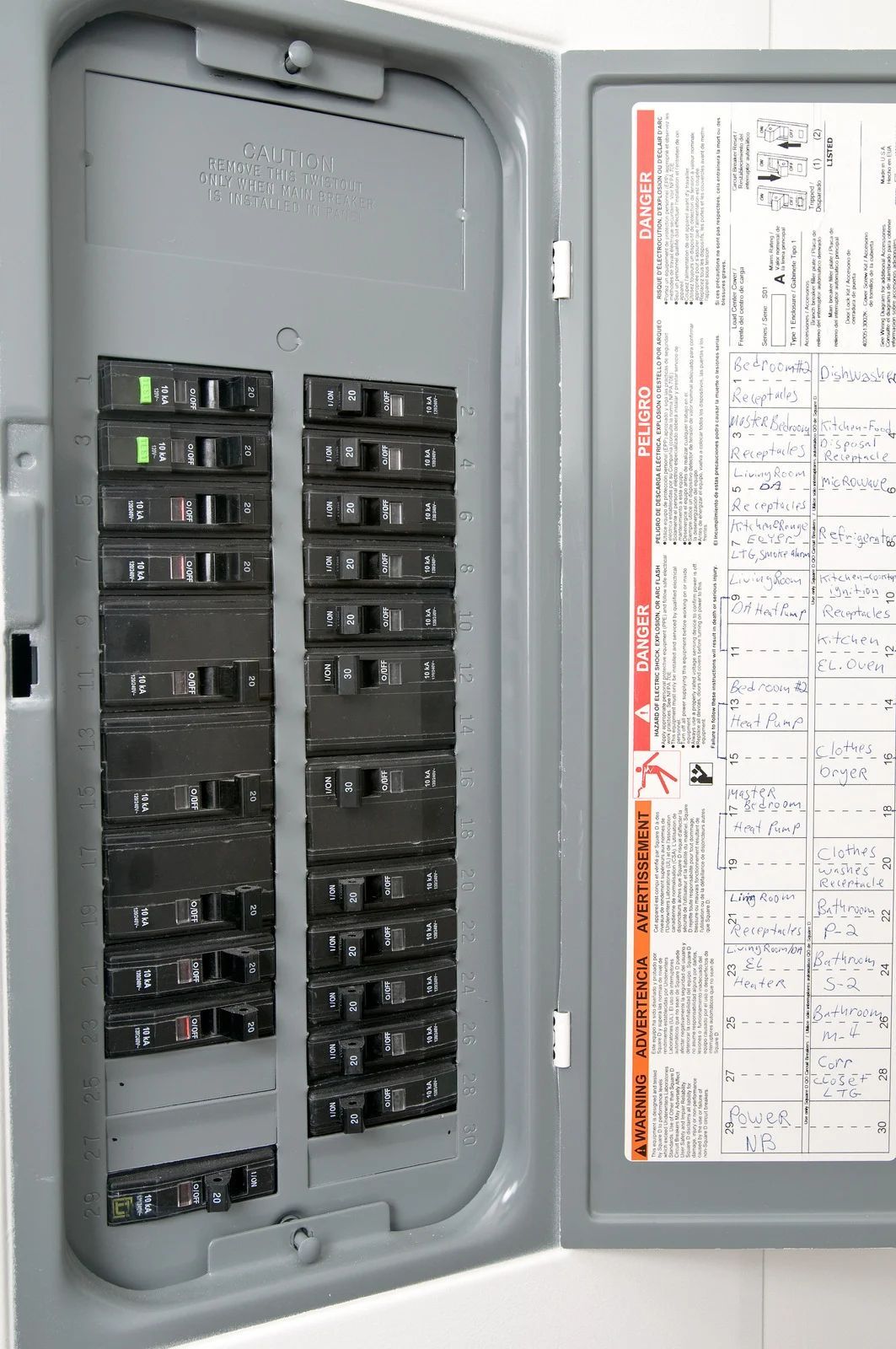
A circuit breaker is an automatic electrical switch designed to protect an electrical circuit from damage caused by excess current. Unlike fuses, which must be replaced once blown, breakers can be reset after tripping. They monitor current flow and immediately cut off power when they detect irregularities, preventing potential hazards such as fires, equipment damage, and personal injury.
How Breakers Safeguard Homes and Businesses
Circuit breakers play a critical role in electrical safety. They prevent overheating of wires, which is a primary cause of electrical fires. For businesses, this protection extends to expensive machinery, preventing costly downtime and equipment damage. In residential settings, breakers protect sensitive electronics, appliances, and family members from harm due to electrical faults. Their reliable operation is essential for maintaining peace of mind and operational efficiency.
Common Breaker Types
- Standard Circuit Breakers: Designed for general household circuits like lighting and outlets.
- Ground Fault Circuit Interrupters (GFCIs): Protect against electrical shock in wet areas such as bathrooms and kitchens.
- Arc Fault Circuit Interrupters (AFCIs): Detect dangerous arcing conditions in wiring that can lead to fires.
Understanding the types of breakers in your system helps identify which ones may need replacement or upgrading.
Signs That Breakers Need Replacement
Frequent Tripping or Resetting
One of the most common indicators that a breaker is failing is frequent tripping. While occasional tripping can occur due to temporary overloads, repeated incidents may suggest the breaker has deteriorated or is no longer functioning correctly. Persistent tripping should never be ignored, as it indicates the breaker may fail when protection is needed most.
Physical Damage or Wear
Breakers can show visible signs of aging or damage, such as burn marks, corrosion, or a melting appearance. These indicators suggest the breaker’s internal components may be compromised, reducing its effectiveness and creating safety hazards. Regular inspection by a licensed electrician is essential to detect these issues early.
Outdated Electrical Panels
Older homes often have breakers that do not meet current safety standards. Outdated panels may lack GFCI or AFCI protection, leaving circuits vulnerable to faults. In addition, older breakers may not handle today’s higher electrical loads, increasing the risk of overheating and fire. Replacement with modern breakers ensures compliance with current safety regulations and optimal system performance.
Risks of Neglecting Breaker Replacement
Electrical Fires
Failing to replace worn or outdated breakers significantly increases the risk of electrical fires. When a breaker cannot trip correctly during an overload or short circuit, wires can overheat, insulation may melt, and sparks can ignite surrounding materials. According to the National Fire Protection Association (NFPA), electrical failures and malfunctions are a leading cause of home fires, many of which could be prevented with timely breaker replacement.
Equipment Damage
Sensitive electronics and appliances rely on stable electrical currents. A malfunctioning breaker may allow surges or irregular current flow, damaging expensive equipment. For businesses, this can translate to costly repairs, replacement, and operational downtime. Upgrading breakers ensures that equipment is protected and reduces the likelihood of costly disruptions.
Personal Safety Hazards
Electrical faults pose a direct threat to human safety. Faulty breakers can result in electrical shocks, burns, or even fatal incidents. GFCI and AFCI breakers, in particular, are critical for preventing electric shocks in high-risk areas like kitchens, bathrooms, and workshops. Ensuring breakers function correctly safeguards the well-being of residents, employees, and visitors.
Benefits of Timely Breaker Replacement
Enhanced Safety
Replacing faulty breakers significantly reduces the risk of electrical fires, shocks, and equipment damage. Modern breakers are designed with advanced safety features to detect irregular currents, arcing, and ground faults. By upgrading old or worn breakers, property owners create a safer environment for occupants and employees.
Improved Electrical System Efficiency
New breakers not only protect your property but also improve overall electrical system efficiency. Modern designs handle higher loads more reliably, reducing the risk of nuisance tripping and ensuring consistent power distribution. This is particularly important in homes and businesses with increasing energy demands due to modern appliances and electronics.
Compliance with Electrical Codes
Electrical codes evolve over time to reflect updated safety standards. Replacing outdated breakers ensures your system complies with current regulations, avoiding potential fines or legal liabilities. Compliance is also critical when selling a property, as home inspections often include thorough evaluations of electrical systems.
Cost Savings Over Time
While breaker replacement incurs upfront costs, it prevents much larger expenses in the future. Avoiding electrical fires, equipment damage, and operational downtime saves homeowners and businesses substantial amounts. Proactive maintenance is a cost-effective strategy for long-term safety and efficiency.
Best Practices for Breaker Replacement
Hire a Licensed Electrician
Breaker replacement is not a DIY task. A licensed electrician ensures proper selection, installation, and testing, minimizing risks of errors. Professionals can assess the condition of your entire electrical system, identify additional vulnerabilities, and recommend upgrades that enhance overall safety.
Schedule Regular Electrical Inspections
Regular inspections are critical for identifying deteriorating breakers before they become a hazard. Most experts recommend a comprehensive inspection every 3–5 years, or sooner for older homes or high-usage environments. Inspections allow for proactive replacement, ensuring consistent protection for your property.
Upgrade Panels When Necessary
Sometimes, breaker replacement alone is insufficient if the panel itself is outdated or damaged. Upgrading to a modern panel ensures compatibility with new breakers and accommodates higher electrical loads safely. This step improves both safety and functionality, providing a robust foundation for your electrical system.
Document Maintenance and Replacements
Maintaining a log of inspections, replacements, and upgrades ensures a clear record of your property’s electrical health. This documentation is valuable for insurance purposes, property sales, and ongoing maintenance planning. It also provides peace of mind knowing that your electrical system is consistently monitored and updated.
Real-World Examples and Expert Insights
- Residential Scenario:- A homeowner notices their breaker trips frequently when using multiple appliances. An inspection reveals the breaker is outdated and unable to handle the home’s modern electrical load. Replacement with a modern breaker, along with panel upgrades, resolves the issue, preventing potential fire hazards and ensuring appliances operate safely.
- Commercial Scenario:- A small business experiences intermittent power surges damaging computers and machinery. An electrician discovers the breakers are failing to trip during overloads, putting equipment at risk. Upgrading the breakers and installing surge protection protects the business’s assets and reduces downtime, demonstrating the critical role of timely breaker replacement.
- Expert Recommendation:- Electrical safety experts consistently emphasize the importance of proactive breaker replacement. According to industry standards, breakers should be evaluated every few years, especially in older systems or high-demand environments. Ignoring this maintenance step can lead to severe consequences, including fires, injuries, and costly property damage.
Securing Electrical Systems with Expert Breaker Services
Breaker replacement is not just a technical upgrade—it is a fundamental safety measure for protecting lives, property, and investments. Understanding the role of breakers, recognizing signs of wear, and implementing timely replacements are essential for maintaining a secure electrical system. By prioritizing these actions, homeowners and businesses can prevent emergencies, reduce risk, and enjoy reliable, efficient power.
Next Electric, LLC, based in Siloam Springs, Arkansas, has spent 7
years delivering expert electrical solutions to homes and businesses. Our team specializes in circuit
breaker replacement, panel upgrades, and comprehensive electrical safety inspections. With a strong focus on reliability, professionalism, and customer satisfaction, we ensure every project meets the highest safety standards. Whether you are updating an outdated system or addressing a specific electrical concern, Next Electric, LLC
provides knowledgeable guidance, precision installation, and long-term solutions tailored to your needs. Trust our experienced electricians to safeguard your property with the expertise and care you deserve, keeping your electrical systems secure, efficient, and code-compliant.