
Breaker Keeps Tripping Even After You Reset It? What's Really Going On
July 17, 2026
This is paragraph text. Click it or hit the Manage Text button to change the font, color, size, format, and more. To set up site-wide paragraph and title styles, go to Site Theme.
Quick Answer: A breaker that keeps tripping after you reset it is not broken and it is not random. It is cutting power because something on that circuit is drawing more current than the wire can safely carry, or a fault is sending current where it should not go. The timing tells the story: a breaker that holds for a while and then trips usually points to an overloaded circuit, while a breaker that trips the instant you flip it back usually points to a short circuit, a ground fault, or a worn-out breaker. Resetting it over and over does not fix the cause and can turn a small fault into a fire, so the right move is to find out why it is tripping, not to keep overriding it.
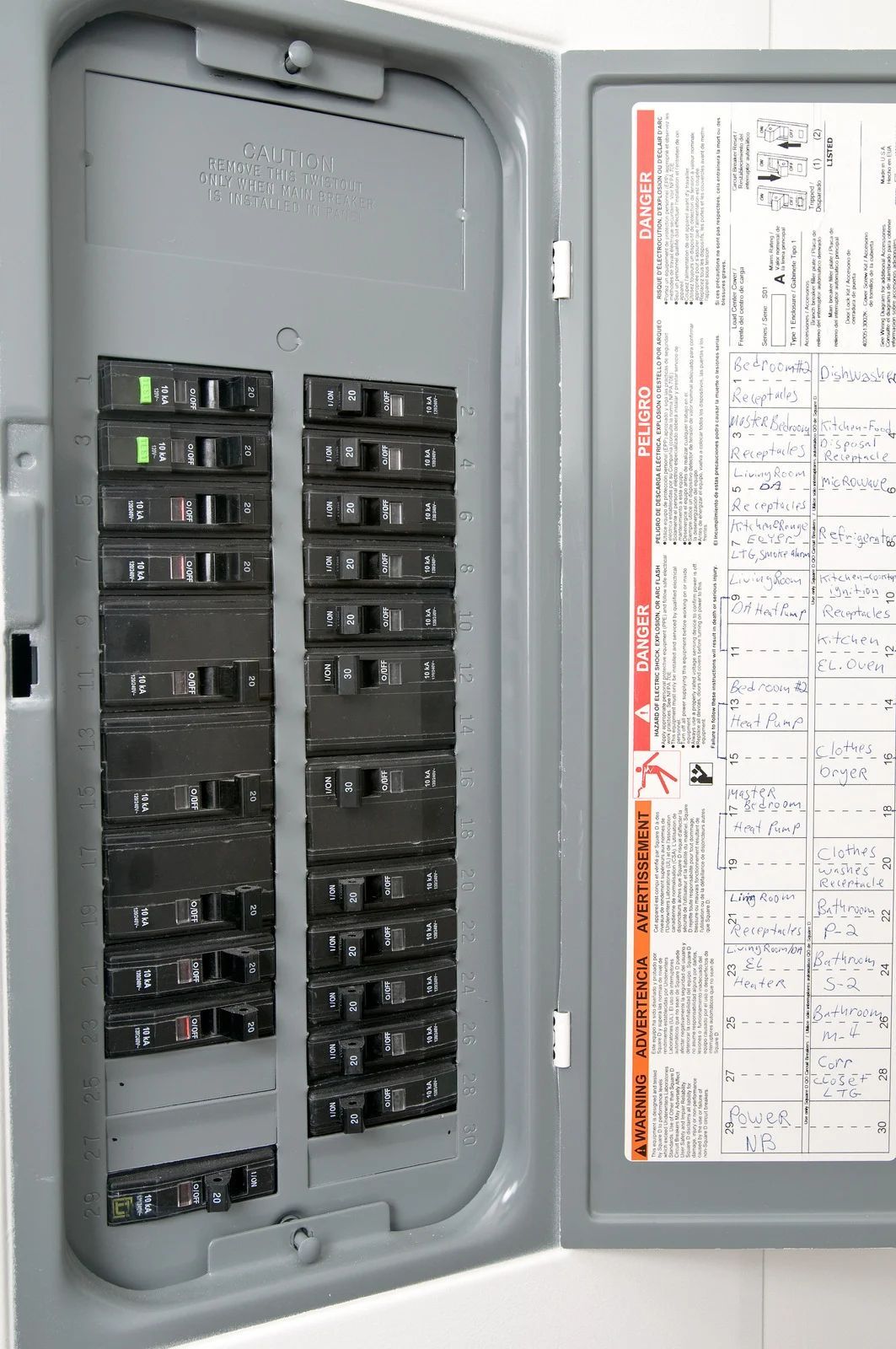
You are standing at the panel again. You pushed the breaker back on ten minutes ago, the microwave and the coffee maker came back to life, and now the whole kitchen is dark once more. Maybe it holds for an hour and drops. Maybe it will not even stay on for a second before snapping back to the middle. Either way, you are stuck flipping the same switch and hoping this time is different.
Here is the thing worth understanding before you make that walk one more time. A breaker that keeps tripping is doing exactly what it was built to do. It is a safety device, and every time it trips it is telling you that current on that circuit has climbed past a safe limit or that a fault has opened up somewhere in the wiring. Resetting it is not a fix. It is silencing a warning. The pattern behind those trips is readable, though, and once you know what to listen for you will understand why some trips are a nuisance you can manage and others are a reason to stop and get help.
A Tripping Breaker Is a Symptom, Not the Problem
Start with what the breaker is actually for
A circuit breaker has one job: to interrupt the flow of electricity when the current on a circuit rises above the level the wiring can handle. That protects the wires hidden in your walls from overheating, and overheated wiring is where electrical fires start. When a breaker trips, the breaker is not malfunctioning. It is the last line of defense working correctly.
That reframes the whole situation. The trip is the symptom. The real problem is somewhere on the circuit, and it will still be there after you reset the breaker. That is why simply flipping it back rarely ends the cycle. You are treating the alarm instead of the fire, and the underlying fault keeps building.
Why this matters for your safety
The scale of the risk is not abstract. According to the National Fire Protection Association, US fire departments responded to an estimated annual average of 46,652 home electrical structure fires between 2020 and 2024, causing an estimated 527 deaths, 1,580 injuries, and roughly $2.4 billion in property damage each year. The same NFPA data shows that arcing from operating equipment was the heat source in an estimated 64 percent of those fires. A breaker that keeps tripping is often the earliest, cheapest warning you will get that something on a circuit is heading in that direction.
Overload, Short, and Ground Fault Are Not the Same Thing
Three different faults get blamed for the same tripping symptom, and they call for completely different fixes. This is the part most homeowners get backward, and it is why guessing tends to make things worse.
An overloaded circuit is a capacity problem
The total current draw simply exceeds the breaker's rating, which is usually 15 or 20 amps on a standard home circuit. Nothing is damaged and nothing is unsafe about the wiring itself. The breaker is doing its job correctly. The real fix is spreading the load out or adding a dedicated circuit for the heavy appliance that keeps tipping it over. Fast-growing households in this area run into this constantly, loading up new appliances and electronics onto circuits sized for a home built decades ago.
A short circuit is a direct fault
This is a hot wire making direct metal-to-metal contact with a neutral or a ground. Current spikes almost instantly, the breaker trips hard, and there is often a pop, a spark, or a scorch mark to go with it. This is a genuine fire hazard, and the fix is finding and repairing the damaged wire, outlet, switch, or appliance cord that is causing it.
A ground fault is a leak
Here current escapes from the hot wire to ground, frequently through moisture, in much smaller amounts than a short. This is the shock hazard that GFCI protection exists to catch, and it shows up most on outdoor outlets, in garages, and in circuits exposed to damp conditions. After one of the storms that roll through Northwest Arkansas, moisture intrusion is a common trigger. The fix is locating the water or the damaged insulation letting current leak.
Tip: Before you call anyone, pay attention to the pattern and write it down. Note whether the breaker trips instantly or after a delay, whether it trips with everything unplugged, and what you were switching on when it happened. That two-minute observation narrows the diagnosis dramatically and lets an electrician bring the right approach instead of hunting blind.
Sometimes the Breaker Itself Is Worn Out
Breakers do not last forever
A breaker is a mechanical device, and it weakens with age and with every fault it has ever interrupted. Over years of service, a breaker can start tripping below its rated load, reacting to normal current it used to handle without complaint. A breaker that feels warm to the touch, buzzes, or trips with less and less provocation has likely worn out internally and needs replacing rather than resetting.
An undersized panel is the bigger pattern
The larger issue electricians see, especially across older housing in a region that has grown as fast as Northwest Arkansas, is a panel that was never sized for how the home is used today. A 100-amp panel installed decades ago was plenty for its era. Add central air, a hot tub, an EV charger, and a kitchen full of modern appliances, and that same panel runs maxed out, tripping breakers across several circuits as loads stack up through the day. No single circuit is faulty. The whole service is simply too small for the demand, and swapping individual breakers will not solve it.
Why Resetting It Again and Again Is the Risky Move
It is tempting to keep making the walk to the panel, especially when the fridge is off or half the house is dark. That habit is where a small problem grows into a dangerous one.
Each reset forces current through a flagged fault
When you reset a breaker that immediately trips again, you are pushing current back through a circuit the breaker has already identified as faulty. If the cause is a short, a damaged wire, or a loose connection that is arcing, repeated resets heat the contacts and the wiring, can melt insulation, and can even weld the breaker's contacts so it no longer protects you at all. A breaker that trips once and holds after you remove the load is fine. A breaker you have reset five times in an hour is telling you to stop.
Resetting once is fine. Resetting repeatedly is not
The safe sequence is to turn off or unplug the devices on the dead circuit first, then push the breaker fully to off before flipping it back on, because a breaker will not latch from the middle position. If it holds, reintroduce your devices one at a time to find the culprit. If it trips again immediately, leave it off and get it diagnosed. That is the line between managing an occasional overload and gambling with a real fault.
How the Cause Actually Gets Pinpointed
Because so many different faults produce the same tripping symptom, sorting out which one you have takes measurement, not guesswork. An electrician isolates the circuit, checks the actual current it is drawing against the breaker's rating, and uses a clamp meter and an insulation tester to trace a short or a ground fault to its source without tearing open every wall. The breaker itself gets tested, and the connections at the panel, the outlets, and the switches get inspected for the heat, discoloration, or looseness that signals arcing.
What you end up with is the actual reason behind the trips, whether that is a circuit carrying more than it was built for, a worn breaker that needs replacing, a loose connection that needs to be made right, a short that needs repair, or a panel that has simply been outgrown. That is a far better outcome than another summer, or another winter, of flipping the same switch and hoping.
Frequently Asked Questions
Is it safe to keep resetting a breaker that keeps tripping?
Resetting a breaker once after removing the cause is acceptable. Repeatedly resetting the same breaker is unsafe because hidden faults may overheat wiring, damage the breaker, and increase electrical fire risks. Seek professional diagnosis promptly.
What does it mean when a breaker trips the instant I reset it?
A breaker that trips immediately usually indicates a short circuit or ground fault instead of an overload. Damaged wiring, faulty outlets, defective switches, or appliance problems require troubleshooting rather than repeated resetting attempts for safety.
Why does my breaker trip even with everything unplugged?
When a breaker trips despite everything being unplugged, the problem usually exists within the home's wiring, outlets, switches, or breaker itself. Hidden electrical faults require professional troubleshooting because they cannot be safely identified without proper testing.
Can a breaker just wear out and trip on its own?
Yes, breakers can wear out through age and repeated interruptions. An aging breaker may trip below its rated capacity, feel unusually warm, buzz during operation, or fail internally, requiring replacement instead of repeated resetting for safety.
My breaker has a little test button. Why does that matter?
A breaker with a test button is usually an arc-fault or ground-fault breaker. These devices detect dangerous electrical conditions beyond overloads, helping prevent fires and shocks by disconnecting power before serious damage can occur safely.
How do I know whether it is an overload or something dangerous?
An overload usually trips after additional electrical demand builds, while dangerous faults often trip immediately. Breakers that buzz, feel warm, or trip without connected devices should receive professional inspection instead of repeated resetting for safety.
Getting to the Bottom of It Instead of Fighting the Switch
A breaker that keeps tripping after a reset is not a glitch to override. It is a circuit telling you, clearly and repeatedly, that something is drawing too much current or that a fault has opened up in the wiring. The timing tells you a great deal, a delayed trip leaning toward an overload and an instant trip leaning toward a short, a ground fault, or a worn breaker, but the only way to know for certain is to trace it. The safe response is to stop resetting, note the pattern, and get the circuit checked so the real cause gets corrected rather than left to build behind the wall.
Schedule electrical troubleshooting — When a breaker keeps tripping after you reset it, the circuit is flagging a real problem, and every extra reset risks overheating the very wiring the breaker is trying to protect. With 7
years of experience, Next Electric, LLC
isolates the circuit, measures the actual current draw, tests the breaker, and traces any short, ground fault, or loose connection to its source. Proudly serving Siloam Springs, Arkansas, we explain whether you are dealing with a single faulty breaker, an overloaded circuit, or a panel that has been outgrown. Book a troubleshooting visit and get a clear answer instead of one more walk to the panel.