
Recessed, Pendant, or Landscape? Choosing the Right Lighting Installation for Your Siloam Springs Home
June 16, 2026
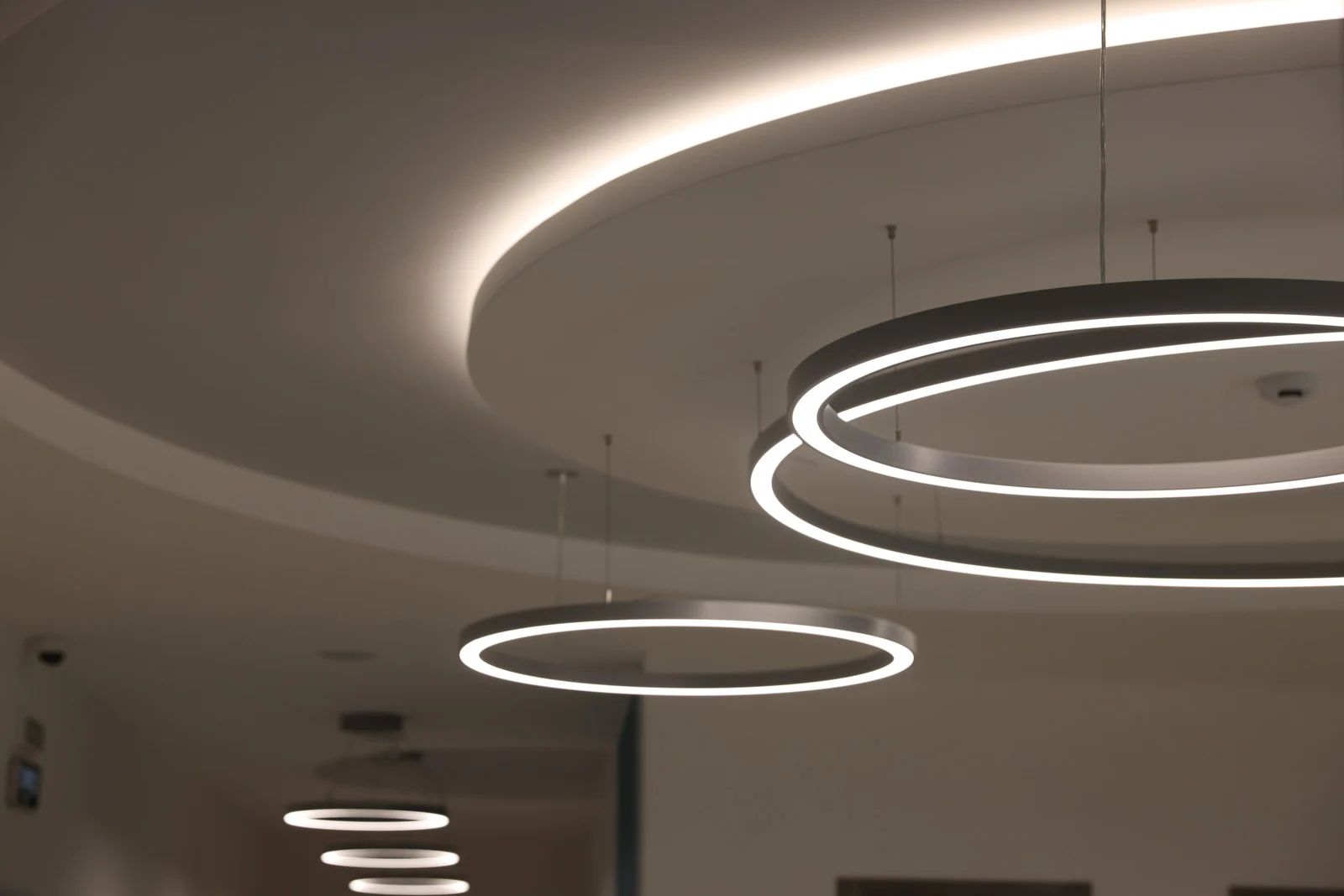
Lighting is one of the most functional and often overlooked decisions homeowners make when designing or renovating a living space. A poorly lit kitchen feels cramped. A dim outdoor path creates real safety risks. The wrong fixture in a dining room can flatten the entire atmosphere of a meal. In Siloam Springs, Arkansas, where homes range from craftsman bungalows to modern builds on wooded lots, the choice between recessed, pendant, and landscape lighting is not simply aesthetic. It is structural, practical, and long term.
What many homeowners do not realize is that each lighting type serves a distinct purpose and requires a different installation approach. Recessed lights sit flush with the ceiling and distribute ambient light across a room. Pendants hang from a single point and work best for task or accent lighting. Landscape fixtures live outdoors, wired into circuits that need to handle weather, ground moisture, and changing load demands. Picking the right type, placing it correctly, and wiring it to code makes the difference between a home that works beautifully and one that needs costly rework in two years.
Understanding the Three Lighting Types
Before choosing a fixture, it helps to understand what each type is actually built to do.
Recessed Lighting
Recessed lighting, also called can lighting or downlighting, is installed inside the ceiling cavity. The fixture sits above the ceiling plane with only a trim ring and bulb visible from below. This gives rooms a clean, uncluttered look that works well in living rooms, hallways, kitchens, and bathrooms.
Recessed lights are directional but can be angled to wash walls or highlight architectural features. They work in both new construction and retrofit applications, though the installation process differs between the two. Retrofit cans clip into an existing ceiling opening, while new construction housings attach to ceiling joists before drywall is hung.
Pendant Lighting
Pendant fixtures hang from a junction box in the ceiling via a cord, chain, or rod. Unlike recessed lights, pendants are visible design elements and draw the eye. They work best over kitchen islands, dining tables, bathroom vanities, and reading nooks where a focused pool of light is more useful than wide ambient coverage.
The installation of pendants depends heavily on ceiling height and the fixture's suspension length. In rooms with low ceilings, a pendant hung too low becomes a hazard. In open loft spaces, a single oversized pendant can anchor a room visually and functionally.
Landscape Lighting
Landscape lighting covers everything installed outdoors, including path lights, uplights around trees and architectural features, deck and step lights, floodlights, and well lights buried flush with the ground. These fixtures run on either low voltage (12V) systems or line voltage (120V) systems, and each has specific wiring requirements.
Low voltage landscape lighting is common for decorative and pathway applications and is typically run through a transformer. Line voltage systems are used for security lighting, floodlights, and garage exteriors where higher output is needed.
Recessed Lighting: What to Know Before You Install
Recessed lighting is the most common residential fixture type, and it is also one of the most frequently installed incorrectly.
IC vs. Non-IC Ratings
One of the most important technical considerations is whether the housing is IC-rated (insulation contact) or non-IC rated. In Siloam Springs homes with insulation in the ceiling cavity, which includes most attic-adjacent rooms, only IC-rated housings are safe to use. Non-IC housings require at least three inches of clearance from any insulation and can pose a fire risk if installed in contact with it.
Trim and Bulb Selection
Recessed trim comes in several styles: baffle trim (reduces glare), reflector trim (increases brightness), adjustable eyeball trim (for directional lighting), and wet-rated trim for bathrooms or covered patios. Pairing the right trim with the right LED bulb, measured in color temperature and lumens rather than watts, determines how the room actually feels under that light.
Spacing Logic
A common guideline is to space recessed lights apart at a distance equal to half the ceiling height. In a room with an eight-foot ceiling, fixtures should be placed roughly four feet apart. Ignoring spacing guidelines creates hot spots and dark corners, which defeats the purpose of installing recessed lighting in the first place.
Pendant Lighting: Placement and Proportion
Pendants are forgiving in terms of style but unforgiving in terms of placement. Getting the hang height wrong creates functional problems that cannot be fixed without rewiring.
Over Kitchen Islands
For kitchen islands, the standard hang height places the bottom of the pendant 30 to 36 inches above the countertop. Multiple pendants over a long island should be spaced 24 to 30 inches apart and centered over the surface below. Using a single oversized pendant on a long island often leaves the ends in shadow.
Over Dining Tables
Above dining tables, pendants should hang 28 to 34 inches above the tabletop. The diameter of the fixture should be roughly 12 inches less than the width of the table to keep proportion balanced. A pendant too small over a large table looks like an afterthought. One too large crowds the space.
Junction Box Requirements
Every pendant fixture needs a properly rated junction box capable of supporting its weight. Ceiling fans and heavy pendants require fan-rated boxes with bracing that anchors into the ceiling structure. Standard pancake boxes are not rated for pendants heavier than 35 pounds and should not be used for oversized fixtures.
Landscape Lighting: Design, Wiring, and Weather
Outdoor lighting introduces variables that interior work does not, including exposure to moisture, temperature swings, ground movement, and wildlife interference.
Low Voltage vs. Line Voltage
| Feature | Low Voltage (12V) | Line Voltage (120V) |
|---|---|---|
| Common Uses | Path lights, uplights, garden beds | Floodlights, security lights, garage |
| Transformer Required | Yes | No |
| Wire Burial Depth | 6 inches minimum | 12 to 24 inches (per NEC) |
| DIY Friendly | Partially | No, requires licensed electrician |
| Output Level | Low to moderate | High |
Line voltage landscape circuits must follow National Electrical Code burial depth requirements and use conduit in areas where the wire might be disturbed. In Arkansas, ground frost and root systems from mature trees are real factors that affect burial decisions.
Uplighting and Focal Points
Uplighting is one of the most dramatic techniques in landscape design. Placing a well light or spike light at the base of a mature oak or a stone chimney exterior and angling it upward creates depth and dimension after dark that transforms how a property reads from the street.
Step and Path Lighting
Step lights embedded into retaining walls or deck risers serve a safety function first and an aesthetic one second. Path lights should be staggered rather than lined up in a row on both sides, which creates a runway effect that flattens the visual interest of a landscape.
Mixing Lighting Types in One Home
Most well-lit homes use all three types in combination. A single fixture type used throughout a home creates flat, monotonous light. Mixing layers produces depth.
A practical layered approach for a Siloam Springs home might look like this. Recessed downlights handle general illumination in the kitchen, hallways, and living room. A pendant or small chandelier adds a focal point above the dining table. Under-cabinet LED strips light the countertop work surface. Outdoors, low-voltage path lights line the driveway and garden beds, a floodlight covers the garage and back door, and uplights highlight mature trees in the front yard.
Every layer serves a distinct function, and they work together because each is installed with its purpose in mind from the start.
Your Trusted Source for Siloam Springs Lighting Installations
Recessed, pendant, and landscape lighting each fill a specific role in a well-designed home. Recessed fixtures provide clean, widespread ambient light. Pendants add focal points and task illumination. Landscape systems extend usability and security beyond the walls of the home. Using all three in a coordinated way, with attention to spacing, ratings, burial depth, and circuit protection, produces results that hold up long after installation day.
The decision is not simply about choosing a fixture that looks good. It is about understanding how each type functions, where it belongs, and what the installation requires to be safe and compliant. Getting those details right from the start prevents rewiring, rework, and safety issues down the road.
At Next Electric, LLC, we bring 7
years of hands-on electrical experience to homeowners across Siloam Springs, Arkansas. We handle recessed retrofits, pendant installations, full landscape lighting designs, and everything in between. Our work follows current NEC standards, and we treat every installation, whether a single kitchen pendant or a full exterior lighting system, with the same level of care and precision. When you are ready to upgrade how your home looks and functions after dark, we are the team Siloam Springs residents call. Next Electric, LLC
is proud to serve this community and committed to installations done right the first time.
FAQs
Can I install recessed lighting in a room that already has insulation above it?
Yes, but only using IC-rated housings. Non-IC housings in direct contact with insulation create a fire hazard. Always confirm the housing rating before purchasing fixtures for an insulated ceiling space.
How many pendant lights do I need over a standard kitchen island?
A standard rule is one pendant for every two feet of island length. A six-foot island typically works well with three pendants spaced evenly, though fixture size affects the final count.
What is the difference between a low voltage and line voltage landscape system?
Low voltage systems run on 12 volts through a transformer and are common for decorative path and garden lighting. Line voltage systems run on 120 volts and are used for high-output security and flood applications. Both require different wiring methods.
Do outdoor landscape lights need to be on a GFCI circuit?
Yes. All outdoor electrical circuits, including landscape lighting fed from a line voltage source, must be GFCI protected per the National Electrical Code. This protects against ground faults in wet conditions.
Can pendant lights be installed on a dimmer switch?
Most pendant fixtures with LED or incandescent bulbs are compatible with dimmer switches, but the dimmer must be rated for the bulb type. LED-compatible dimmers differ from standard ones and should be matched to the specific bulb being used.