
Unlocking the Secrets of EV Charger Circuit Installations
April 29, 2026
Electric vehicles are rapidly reshaping modern transportation, and with this shift comes a growing demand for reliable charging infrastructure. Behind every efficient EV charging station lies a carefully designed electrical circuit installation that ensures safety, speed, and consistent performance. As EV adoption increases across residential, commercial, and industrial sectors, understanding the technical foundation of EV charger circuit installations has become essential for property owners, electricians, and infrastructure planners alike.
A properly installed EV charging circuit is not just about connecting power; it is about balancing load capacity, ensuring code compliance, and safeguarding both the vehicle and electrical system from potential hazards. Poor installation can lead to overheating, circuit failure, or even fire risks, making professional execution critical. With evolving technologies such as Level 2 and DC fast charging systems, the complexity of circuit design has increased significantly.
This blog explores the essential components, installation process, safety requirements, and advanced considerations involved in EV charger circuit installations. It also highlights real-world challenges and best practices that ensure long-term reliability. Whether planning a residential charging setup or a large-scale commercial network, understanding these fundamentals is key to building efficient and future-ready EV infrastructure that supports the growing electric mobility revolution.
Understanding EV Charger Circuit Fundamentals
Electrical Load Requirements and Capacity Planning
EV charger circuit installations begin with an accurate load assessment for safe electrical performance. Every charging unit draws a specific electrical demand depending on whether it is a Level 1, Level 2, or fast charging system. A standard residential Level 2 charger typically requires a dedicated 240-volt circuit, often ranging between 30 to 60 amps for stable operation.
Panel capacity evaluation becomes a critical step before installation begins in any setup. If the electrical panel is already near maximum capacity, an upgrade may be required to support EV charging safely and reliably. This step prevents long-term system instability and ensures compliance with electrical safety standards across all operating conditions.
Circuit Breakers and Dedicated Lines
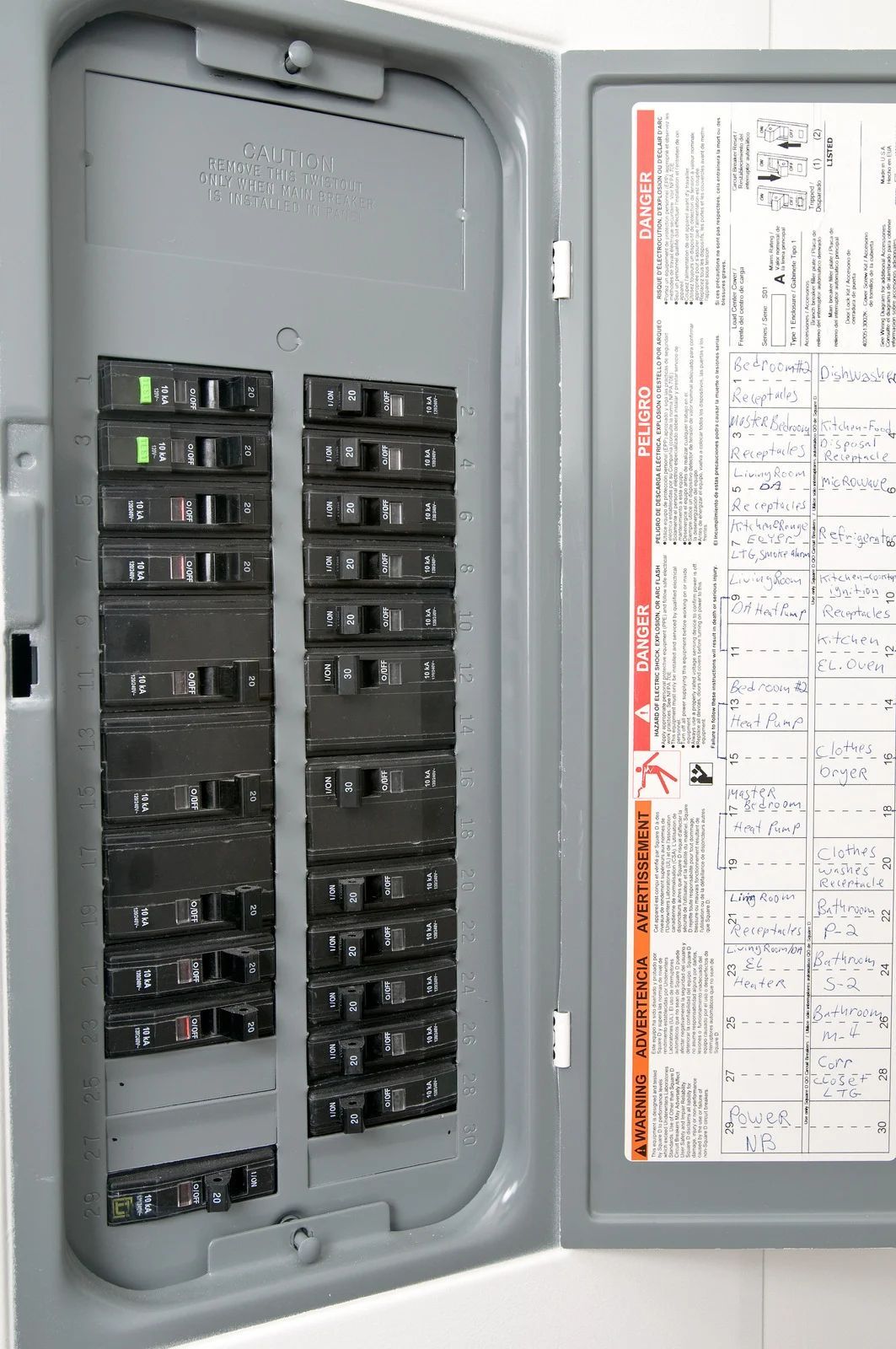
A dedicated circuit is mandatory for EV charging systems in modern electrical installations. This means the charger must not share power with other household or commercial appliances under any condition. Dedicated breakers protect against overload and provide a controlled pathway for high-energy flow throughout the system.
In commercial environments, load management systems are often integrated to distribute energy efficiently across multiple charging stations without exceeding infrastructure limits at any time. These systems help maintain operational stability while supporting multiple EV units simultaneously in high-demand facilities.
Planning and Design for Safe Installation
Site Evaluation and Electrical Infrastructure Assessment
Before installation begins, a thorough site evaluation is essential for safe execution. This includes analyzing the distance between the electrical panel and the charging location, assessing wall routing options, and determining conduit pathways with precision planning. Longer distances may result in voltage drop, requiring thicker gauge wiring to maintain efficiency and performance standards.
Outdoor installations require additional planning for weatherproofing and environmental protection under varying conditions. Enclosures must be rated for dust and moisture resistance to ensure durability under varying climatic conditions and long-term outdoor exposure scenarios.
Compliance with Electrical Codes and Standards
EV charger installations must adhere to national and local electrical codes, including NEC (National Electrical Code) guidelines at all times. These regulations define wire sizing, grounding requirements, breaker specifications, and installation procedures for safe and compliant system operation.
Ground fault protection is another critical requirement in modern charging systems today. It prevents electrical shock hazards by detecting leakage currents and immediately shutting down the system for safety assurance. Compliance ensures not only safety but also long-term reliability and insurance validity for all installations.
Future-Proofing the Installation
EV technology continues to evolve rapidly, and installations must account for future scalability requirements. Installing conduit with extra capacity, using higher-rated wiring, and planning panel space for expansion ensures readiness for future upgrades without major reconstruction efforts. This prevents costly rework when higher-capacity chargers become necessary in later stages.
Forward-thinking design ensures long-term adaptability and supports emerging EV technologies and charging standards efficiently.
Installation Process and Technical Execution
Wiring and Conduit Setup
The installation process begins with routing electrical wiring from the main panel to the charging location carefully. Conduit systems are used to protect wires from physical damage and environmental exposure over time. Proper conduit bending and sealing ensure safe and clean installation with long-lasting structural integrity.
Copper wiring is typically preferred due to its superior conductivity and durability in high-load applications. Wire sizing must align with amperage requirements to prevent heat buildup, energy loss, and long-term system inefficiencies during continuous operation cycles.
Charger Mounting and Connection
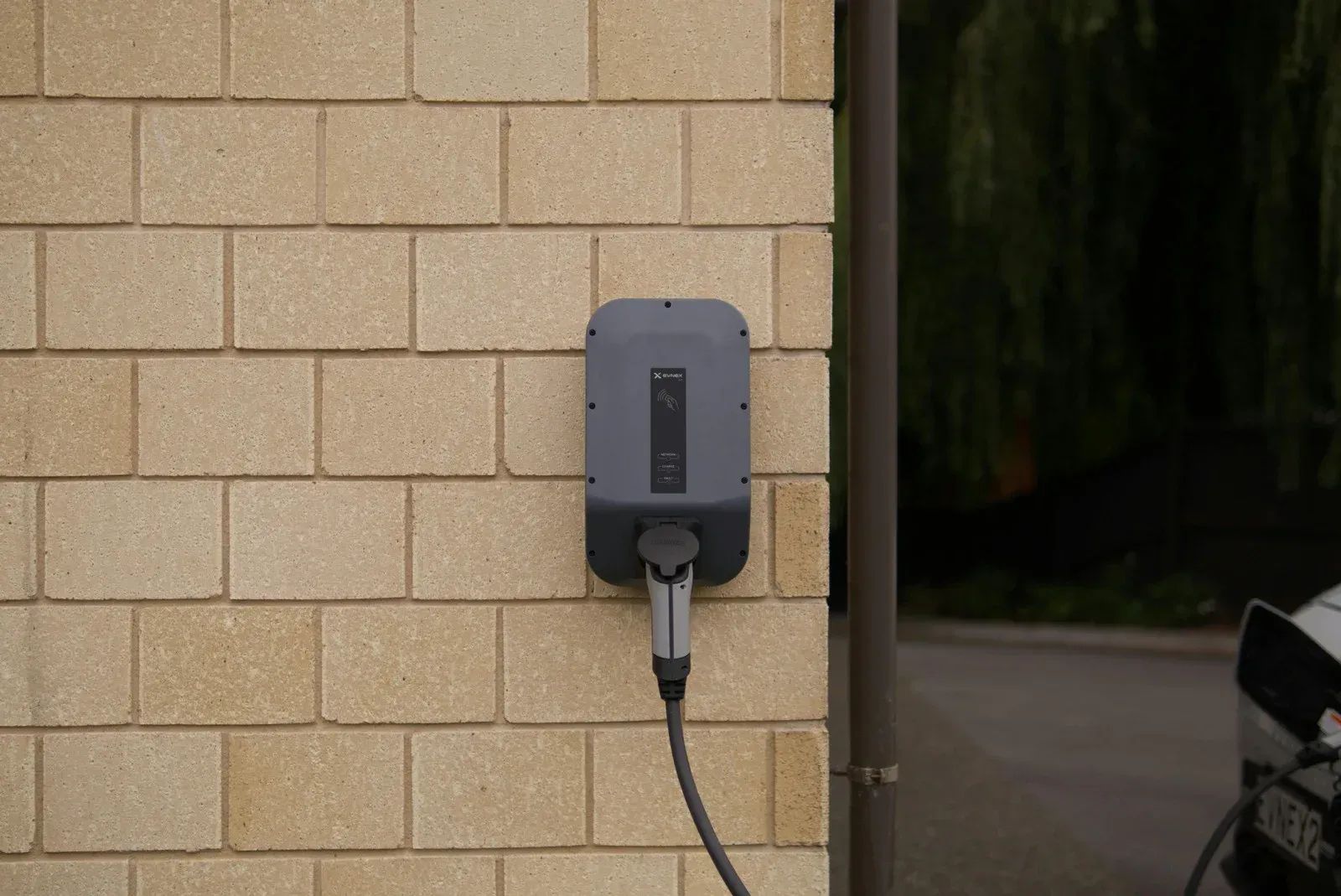
Once wiring is in place, the charging unit is securely mounted on a wall or pedestal with proper alignment. Height placement is carefully chosen for accessibility, usability, and efficient cable management in daily operations. The charger is then connected to the dedicated circuit following manufacturer specifications strictly.
Testing and Commissioning
After installation, comprehensive testing is performed to verify system performance. This includes voltage verification, grounding checks, and load testing under full operational conditions for accuracy. The charger is also tested for communication with the vehicle to ensure proper energy transfer and compatibility.
Any irregularities detected during testing must be corrected before final commissioning and approval. This step guarantees system safety, operational readiness, and long-term charging reliability.
Safety Considerations and Common Challenges
Thermal Management and Overheating Risks
One of the most critical concerns in EV charger installations is heat generation under continuous load. Continuous high-load charging can cause wires and components to heat up significantly over time. Proper ventilation, correct wire sizing, and high-quality components help mitigate these risks effectively in all environments.
Thermal monitoring systems are increasingly being integrated into modern chargers to automatically regulate temperature and prevent damage during extended usage periods.
Voltage Drop and Power Efficiency Issues
Voltage drop occurs when electricity loses strength over long distances in wiring systems. This can reduce charging efficiency and increase charging time significantly under heavy load conditions. To counter this, electricians use thicker gauge wiring or reduce circuit length where possible during installation design.
Electrical Interference and System Stability
In some installations, electrical interference from other appliances can disrupt charging performance unexpectedly. Isolated circuits and proper grounding techniques help maintain system stability under all operating conditions. Surge protection devices are also recommended to guard against voltage spikes caused by grid fluctuations and external disturbances.
Advanced Technologies in EV Charging Circuits
Smart Charging Systems and Load Management
Modern EV charger circuits often include smart load management systems for optimized energy usage. These systems dynamically adjust power distribution based on grid demand and household usage patterns in real time. This prevents overload while optimizing charging speed efficiently across all connected devices.
Smart chargers can also communicate with mobile apps, allowing users to monitor energy consumption, track usage patterns, and schedule charging during off-peak hours for cost savings benefits.
Integration with Renewable Energy Sources
EV charging circuits are increasingly being integrated with solar power systems for sustainable energy use. This allows vehicles to charge using clean energy, reducing dependence on the grid significantly over time. In such setups, inverters and energy storage systems play a vital role in balancing power flow efficiently.
This integration supports long-term sustainability goals while reducing electricity costs and environmental impact simultaneously.
High-Speed DC Fast Charging Circuits
DC fast charging requires significantly more complex circuit design compared to standard AC charging systems. These systems bypass onboard vehicle converters and deliver direct current at high voltage levels for rapid energy transfer.
Due to high power demand, specialized infrastructure, reinforced wiring systems, and advanced cooling mechanisms are required for safe operation. These installations are typically used in commercial charging stations and highway networks serving multiple EV users efficiently.
Expert Installation Standards Ensuring Lasting Performance Every Time
EV charger circuit installations represent a critical foundation for safe and efficient electric mobility infrastructure. From load assessment and dedicated circuit planning to compliance, wiring, and advanced smart technologies, every stage plays a vital role in ensuring performance and safety. Proper installation not only prevents electrical hazards but also enhances charging speed, energy efficiency, and long-term system reliability. Reliable execution requires precision, expertise, and a strong understanding of electrical systems. When done correctly, EV charging setups become a seamless part of daily life, offering convenience and sustainability without compromise.
Next Electric, LLC, based in Siloam Springs, Arkansas, delivers dependable electrical solutions built on precision, safety, and technical expertise. With over 7 years of hands-on experience, a strong focus remains on delivering high-quality EV charger circuit installations that meet modern energy demands. Every project is approached with careful planning, ensuring electrical systems are designed to handle current load requirements while remaining scalable for future advancements in electric mobility.
We emphasize long-term performance and system durability. Each installation is built to reduce risks such as overload, voltage drop, and thermal strain while optimizing charging efficiency. A commitment to safety standards and technical excellence ensures that every EV charging circuit performs consistently under real-world conditions. As electric vehicle adoption continues to rise, reliable charging infrastructure becomes essential we stand as a trusted partner in building that infrastructure, offering solutions designed to support the future of clean transportation with confidence and reliability.