
Is It an Electrical Emergency? Signs You Need Help Now
March 23, 2026

Electrical systems power nearly every aspect of our modern lives, from lighting and heating to essential appliances and electronics. Despite their reliability, these systems can fail or develop hazards that pose immediate risks to safety and property. Recognizing when an electrical issue is an emergency is crucial—not every malfunction requires a call to a professional right away, but some situations demand immediate attention. Understanding these distinctions can prevent accidents, reduce damage, and ensure your home or business remains safe.
Electrical emergencies are often sudden, unpredictable, and potentially dangerous. Flickering lights, sparking outlets, or unexpected power outages may seem minor at first, but they can signal deeper problems with wiring, circuits, or appliances. Waiting too long to address these issues can lead to fire hazards, electric shocks, or costly repairs. This guide explores the most common signs of electrical emergencies, helping you determine when to act quickly. By equipping yourself with knowledge about warning signals, you can make informed decisions that protect both people and property. Whether you’re a homeowner or managing a business, understanding these critical indicators ensures that you respond promptly and appropriately, avoiding unnecessary risks while maintaining a safe electrical environment.
1. Visible Signs of Electrical Danger
Electrical emergencies often announce themselves with visible warnings. Recognizing these signs early can help prevent catastrophic outcomes.
Sparking or Arcing Outlets
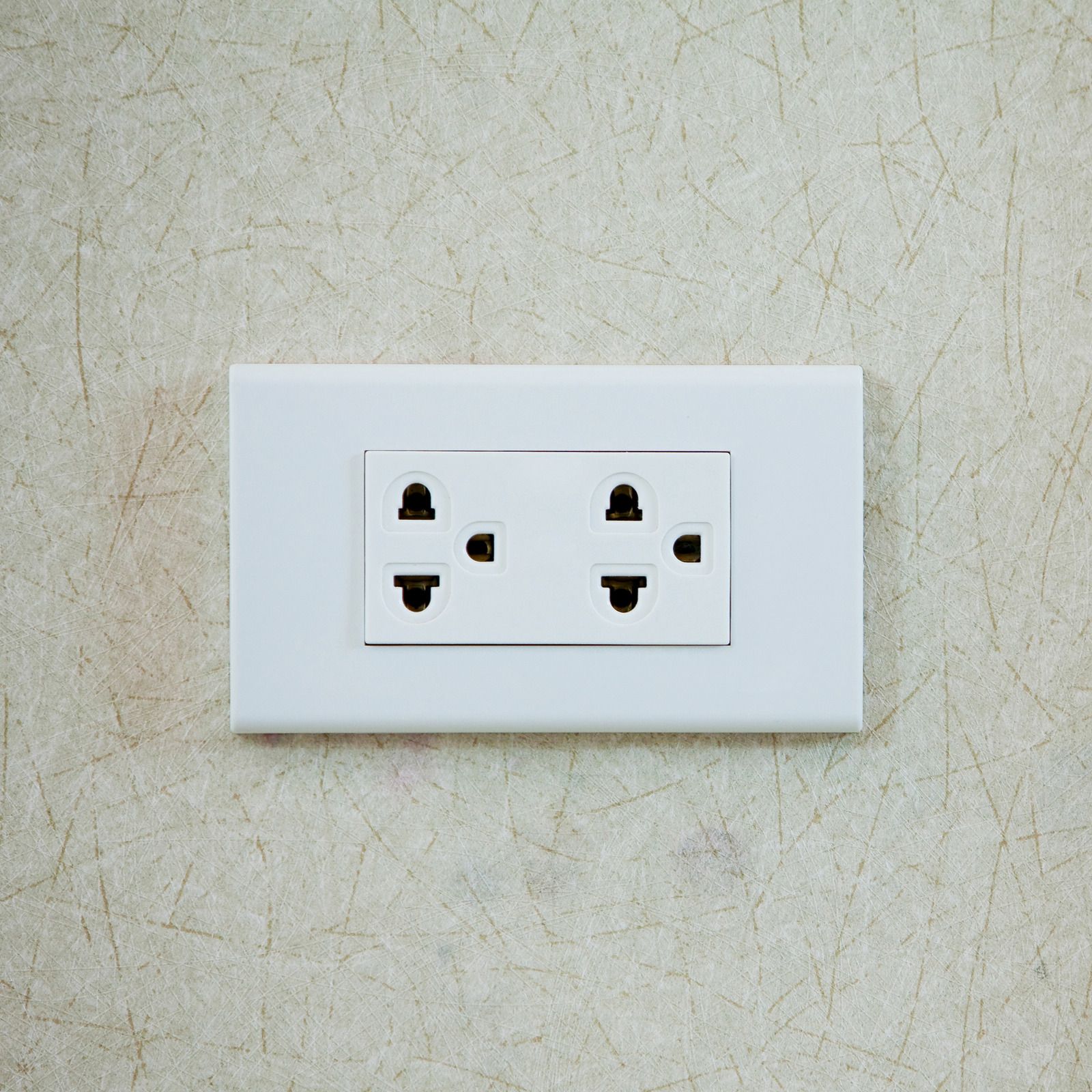
Sparks or arcs from outlets are one of the clearest indicators of trouble. This may occur when plugging in an appliance or from faulty wiring. Arcing can create high heat, increasing the risk of electrical fires. Immediate action is required: unplug devices if safe, avoid using the outlet, and contact a licensed electrician.
Discolored or Burned Outlets
Outlets or switch plates that show scorch marks, dark discoloration, or a burning smell are symptomatic of overheating wiring. These hazards can develop silently and escalate quickly. Ignoring them risks severe property damage and personal injury.
Flickering or Dimming Lights
Lights that flicker or dim sporadically may indicate overloaded circuits, loose wiring, or a failing electrical panel. While occasional flickering may be minor, persistent issues, especially accompanied by buzzing or heat, should be addressed without delay.
Visible Damage to Cords or Wires
Frayed cords, exposed wiring, or cracked insulation are immediate threats. These conditions can cause electric shocks or ignite fires. Replace damaged cords promptly and keep children and pets away from affected areas until professional repairs are made.
2. Unusual Electrical Behavior
Electrical systems can display subtle yet alarming behaviors that suggest underlying emergencies.
Circuit Breaker Tripping Frequently
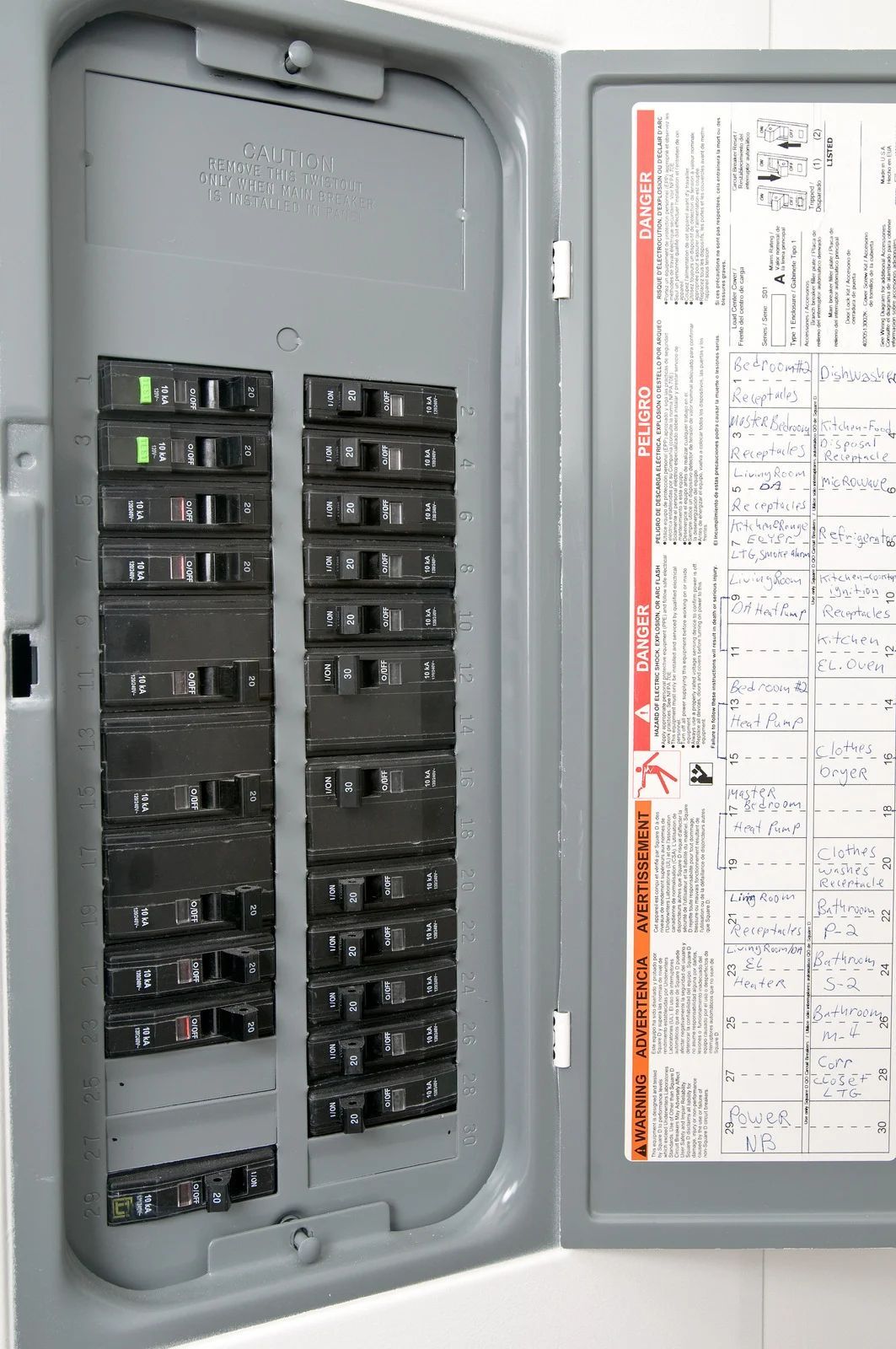
A breaker that trips repeatedly is a warning that the circuit is overloaded or there’s a short circuit. This might happen when too many devices draw power simultaneously, or it could indicate deteriorating wiring. Consistently resetting the breaker without investigating the cause is risky.
Unexpected Appliance Malfunctions
When appliances malfunction or stop working properly, the cause may be internal electrical faults or irregular voltage. For instance, ovens, refrigerators, or HVAC systems that cycle unexpectedly or fail to start could be signaling wiring issues or surges.
Buzzing or Crackling Sounds
Unusual noises coming from outlets, switches, or panels are significant warning signs. Buzzing often indicates loose connections or arcing, which can ignite fires if left unresolved. Immediate evaluation by a professional is necessary to prevent escalation.
Overheating of Devices or Outlets
Warm or hot outlets, plugs, or devices are not normal. Overheating is a symptom of excessive current flow or internal wiring problems. This can lead to melted insulation, sparks, or fire, requiring urgent professional inspection.
3. Electrical Shock Hazards
Even minor shocks should not be ignored, as they often indicate serious underlying problems.
Frequent or Unexpected Shocks
If touching switches, appliances, or metal fixtures triggers shocks, the electrical system may have grounding issues or faulty wiring. Repeated minor shocks can escalate to life-threatening incidents.
Ground Fault Risks
Bathrooms, kitchens, and outdoor outlets are prone to moisture-related electrical issues. Ground Fault Circuit Interrupters (GFCIs) are designed to protect against shocks in these areas. If these devices fail or trip abnormally, immediate attention is necessary.
DIY Repairs Gone Wrong
Untrained handling of electrical repairs can exacerbate shock risks. Attempting to fix wiring or outlets without proper knowledge increases the likelihood of injury and should be avoided entirely. Safety protocols must always be observed.
4. Signs of Overloaded Circuits
Overloaded circuits are a frequent source of emergencies and often develop gradually.
Multiple Devices on a Single Outlet
Plugging several high-wattage devices into one outlet can overload the circuit, triggering overheating and tripped breakers. Persistent overloading may damage wiring or cause fires over time.
Use of Extension Cords as Permanent Solutions
While temporary use of extension cords is acceptable, relying on them permanently increases fire risk. Long cords can overheat, especially if they are under rugs or furniture, creating a hidden hazard.
Frequent Blown Fuses
Blown fuses are the circuit’s way of preventing damage. If fuses blow frequently, it indicates a recurring issue that must be investigated. Ignoring this warning can escalate to dangerous overheating or fires.
Heat Around Electrical Panels
Panels should be cool to the touch. Warmth, buzzing, or the smell of ozone near the panel signals overloaded circuits or failing components. This is a critical emergency requiring immediate professional inspection.
5. Fire and Smoke Indicators
Electrical fires can start silently but may leave subtle signs before they escalate.
Smell of Burning Plastic or Rubber
The odor of burning plastic or rubber inside walls or around outlets is an urgent warning sign. It may indicate short circuits or melting insulation and requires immediate attention.
Smoke or Soot Around Outlets
Any visible smoke or blackened outlet covers is an unmistakable emergency. Do not attempt to ignore or mask the problem; disconnect power if safe and call an electrician promptly.
Electrical Fire Prevention Practices
Regular inspection of wiring, avoiding overloading circuits, and using properly rated appliances are key preventive measures. Installing smoke detectors and fire extinguishers adds an extra layer of safety in the event of a spark or short circuit.
Recognizing Subtle Fire Hazards
Even minor signs like persistent sparks, arcing, or discolored outlets are precursors to potential fires. Early intervention prevents damage and ensures safety for occupants and property.
6. Emergency Response Best Practices
Knowing how to respond during electrical emergencies can save lives and minimize property damage.
- Immediate Safety Measures:- If you notice sparks, smoke, or heat, shut off power at the main panel if safe to do so. Avoid touching affected equipment or water nearby, as water conducts electricity. Evacuate the area if necessary and ensure everyone is at a safe distance.
- Contacting Professionals:- Electrical emergencies require trained, licensed professionals. Attempting DIY solutions during an emergency increases risks of shock, fire, or further system damage. Contact a certified electrician immediately for evaluation and repair.
- Documentation and Assessment:- Take notes or photos of the issue before the electrician arrives. This helps professionals quickly assess the situation and plan corrective actions. Documenting recurring problems also helps prevent future emergencies.
- Benefits of Proper Wiring:- Regular maintenance, inspection, and adhering to electrical codes reduce the likelihood of emergencies. Use properly rated outlets, circuit breakers, and surge protection devices. Educating household members about safe electrical practices also contributes to long-term safety.
- Emergency Kit Preparation:- Keeping a basic emergency kit, including flashlights, batteries, and a non-contact voltage tester, prepares you for temporary power loss or sudden electrical issues. Being prepared reduces panic and helps manage the situation efficiently until help arrives.
7. Recognizing Subtle Early Warning Signs
Not all electrical hazards are obvious, and early recognition prevents escalation.
Intermittent Issues
Outlets or appliances that work sporadically may have loose connections. While minor at first, these problems can escalate to arcing or fire over time if unaddressed.
Strange Odors
Electrical components overheating can emit faint chemical smells before smoke appears. Early detection allows for preventive action, reducing emergency risk.
Heat Around Wiring or Fixtures
Warm walls, switches, or panels may not always produce sparks, but heat indicates stress or overcurrent. Regular checks can catch these signs early, avoiding emergencies.
Noise Indicators
Low hums or buzzing noises around electrical panels or devices often indicate loose wiring or aging components. Addressing these noises early can prevent fires or appliance damage.
Trusted Professionals Delivering Prompt Electrical Safety Solutions
Electrical emergencies can escalate quickly. Knowing the difference between minor issues and critical hazards ensures safety. Prompt recognition of warning signs, immediate action to shut down power if safe, and contacting a professional electrician are non-negotiable steps. Safety is paramount; property and lives are at stake when electrical issues are ignored.
Electrical emergencies are serious matters that require timely attention. By understanding the visible signs, unusual electrical behavior, shock hazards, overloaded circuits, fire indicators, and subtle early warnings, homeowners and business managers can respond effectively and prevent escalation. Immediate action, including shutting off power when safe and contacting trained professionals, is essential to protect both people and property. Proactive monitoring, preventive maintenance, and safety education are equally important to reduce the risk of future emergencies.
At Next Electric, LLC, we bring over seven years of professional experience serving clients in Siloam Springs, Arkansas. Our team is committed to providing fast, reliable, and expert electrical solutions. We understand the urgency of electrical emergencies and prioritize safety, accuracy, and efficiency in every job. From identifying early warning signs to resolving critical hazards, our licensed electricians deliver comprehensive care, ensuring your electrical systems remain safe, functional, and code-compliant. Trust Next Electric, LLC
to handle your electrical needs with professionalism, knowledge, and dedication, giving you confidence and peace of mind in every service.